The Science of Generosity
About Dr. Summer Allen, PhD
Summer Allen, PhD, is a Research & Writing Fellow at the University of California, Berkeley’s Greater Good Science Center (GGSC) . She earned her B.A. in biology from Carleton College and her PhD in neuroscience from Brown University, where she studied neural mechanisms—like calcium ion channels—involved in communication and behavior. From 2018 to 2019, Dr. Allen served as a Research and Writing Fellow at GGSC, where she produced a series of white papers on topics such as generosity, gratitude, awe, and future‑mindedness . She has since written extensively on the psychology and neuroscience of well‑being for Greater Good and other publications.
Dr. Allen's white paper which is most relevant to Gene and the whole Generous Gene community is the paper on Generosity. In fact, this paper was a major influence in the creation of the Generous Gene movement. Let's talk a little about what Dr. Allen has taught us.
White Paper on the Science of Generosity
Did you know being kind and generous is part of what makes us human? This fascinating white paper explores how generosity—whether it’s helping a friend, donating to a cause, or sharing your toys—comes naturally to us. From toddlers to grandparents, science shows that giving makes us happier, healthier, and more connected. The paper shares discoveries from brain science, psychology, and even animal behavior to show that generosity isn’t just good for others—it’s good for us too!
Generosity Parenting
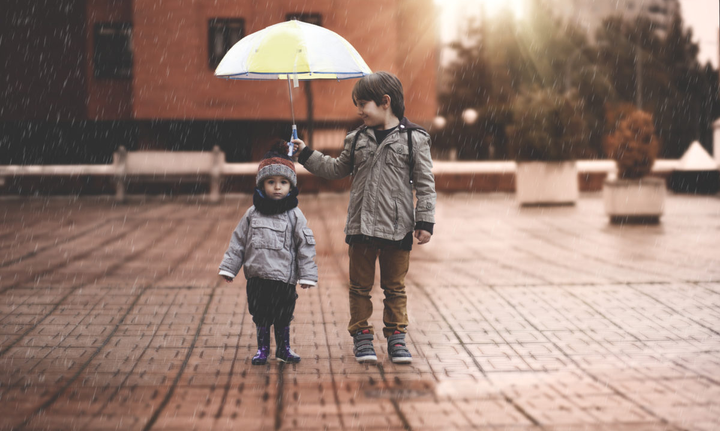
When it comes to raising kind and generous kids, parents play a huge role! According to The Science of Generosity, the way moms and dads model generosity really matters. Kids learn a lot simply by watching their parents help others, share, and talk about why generosity is important. For example, children whose parents discussed giving and helping were more likely to donate their own tokens in experiments.
But it’s not just about what parents say—it’s also about what they do. Kids tend to mirror their parents’ actions, especially when they see those actions making a positive impact. Even everyday situations—like donating to charity or helping a neighbor—can help build a child’s generous spirit. And get this: the research shows that kids who are encouraged to think about others’ feelings are also more likely to give.
So, if you’re a grown-up reading this, just know your kind actions are powerful! Every time you share, help, or give, you’re planting seeds of kindness in your child’s heart—and science says those seeds are likely to grow.
